
Health equity is a critical concept in public health, referring to the principle that everyone should have a fair and just opportunity to attain their highest level of health. According to the World Health Organization (WHO) and the Centers for Disease Control and Prevention (CDC), health equity meaning involves eliminating avoidable disparities influenced by social, economic, and environmental factors. Unlike simple equality, health equity addresses systemic barriers to ensure equitable outcomes.
HealthEquity Mobile App – App Store
What Is Health Equity? A Clear Definition
The health equity definition varies slightly across organizations but shares core themes:
- WHO: The absence of unfair, avoidable, or remediable differences in health among groups.
- CDC: The state where everyone has a fair opportunity to reach their full health potential, without disadvantages from social position or circumstances.
- Robert Wood Johnson Foundation: Everyone has a fair and just opportunity to be as healthy as possible.
For more details, refer to the health equity Wikipedia page, which explores its roots in social justice and human rights.
Health Equity vs. Health Equality: Key Differences
A common question is health equity vs health equality. Equality means providing the same resources to everyone, while equity involves distributing resources based on need to achieve fair outcomes.
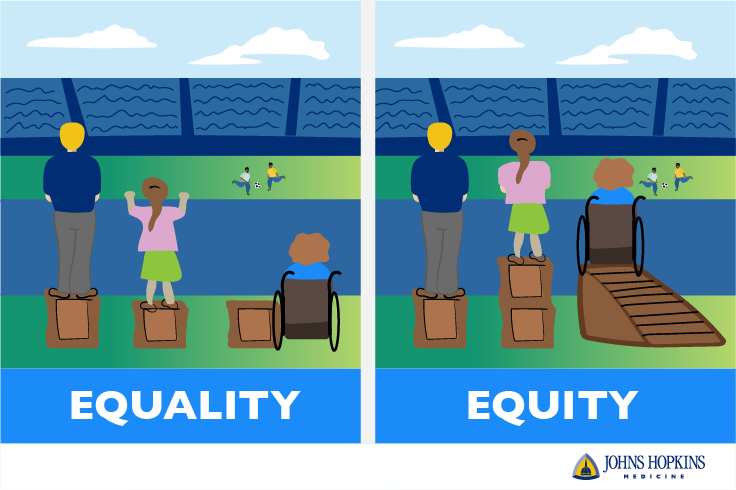
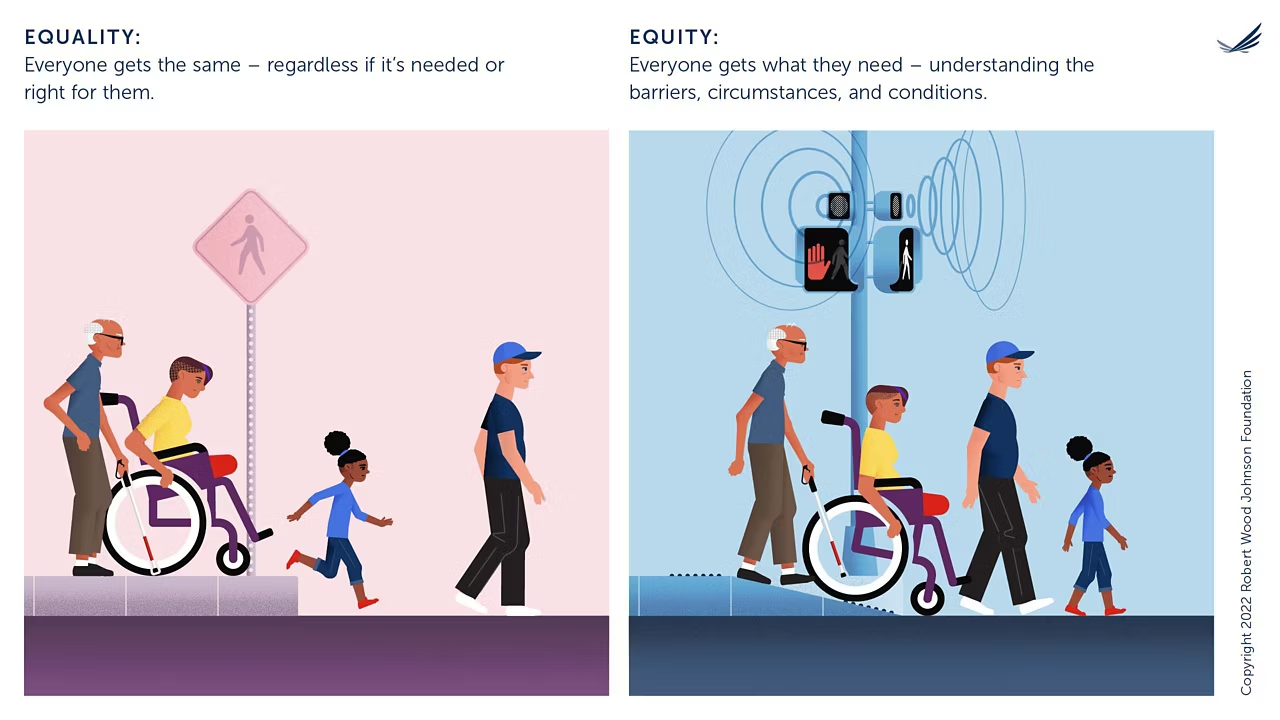
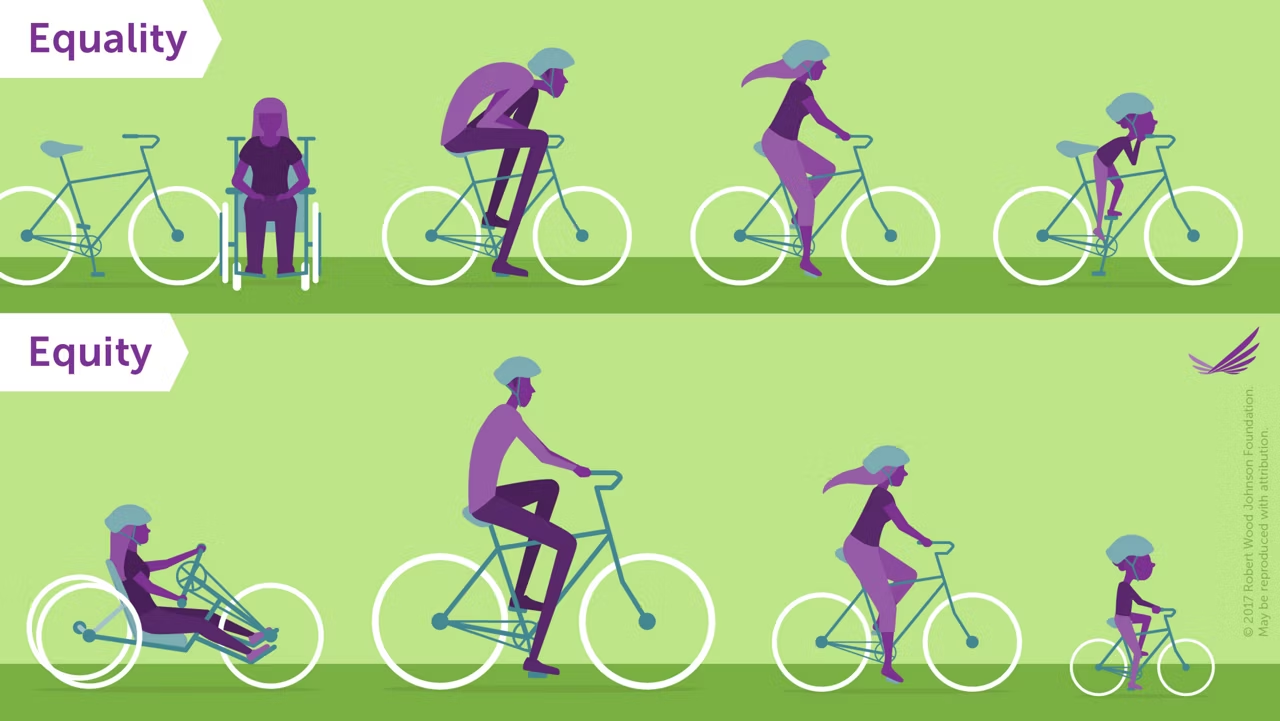
These illustrations highlight how equity adjusts support to level the playing field.
Health Equity Examples and Disparities
Health equity examples often reveal disparities in access and outcomes:
- Racial and ethnic minorities facing higher rates of chronic diseases due to socioeconomic barriers.
- Rural vs. urban differences in healthcare access.
- Gender-based inequities, such as maternal health outcomes.
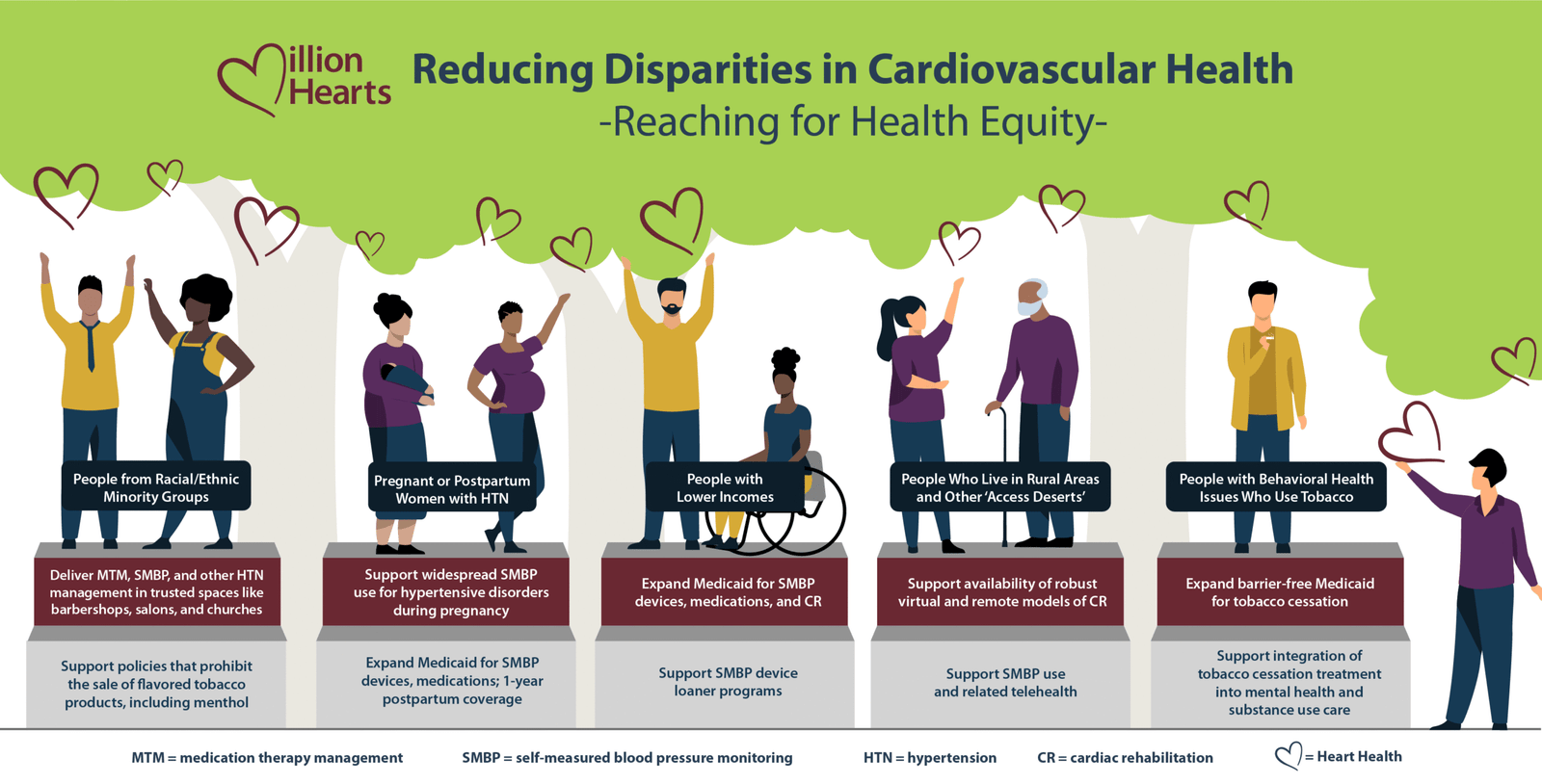

In the health equity USA context, disparities persist in areas like infant mortality and life expectancy among underserved populations.
Globally, health equity in India faces challenges from high out-of-pocket expenses, rural-urban divides, and socioeconomic inequalities, pushing millions into poverty annually.
Health Equity in Practice: Journals, Initiatives, and More
Research on health equity appears in outlets like the health equity journal (e.g., Health Equity by Mary Ann Liebert). Initiatives focus on social determinants, policy changes, and community interventions.
Note on HealthEquity: The Financial Services Company
While searching for health equity, results often include HealthEquity company, a leading provider of Health Savings Accounts (HSAs) and Flexible Spending Accounts (FSAs). HealthEquity (formerly including healthequity wageworks) helps individuals manage tax-advantaged health funds.
Key services include:
- Health equity HSA: Tax-free savings for medical expenses, with investment options.
- Health equity FSA: Pre-tax accounts for qualified expenses.
- Health equity card: Debit card for easy payments.
- Healthequity HSA login and health equity FSA login: Access via the member portal.
- Health equity app: Mobile management of accounts.
- Health equity customer service: Call 866.346.5800 (available 24/7) or use online chat.
- Health equity provider phone number: Varies; members use the main support line.
For healthequity login, visit the official site and select HealthEquity or EZ Receipts (formerly WageWorks).
HealthEquity supports financial wellness, indirectly aiding broader health goals, but it’s distinct from the public health concept of health equity.
Achieving Health Equity: The Path Forward
Promoting health equity requires addressing root causes like poverty, discrimination, and access barriers. Policies, education, and inclusive healthcare systems are essential for progress in the USA, India, and worldwide.
By understanding and acting on health equity, we can build healthier, more just societies. For personalized financial tools like HSAs or FSAs, explore HealthEquity’s offerings today.