
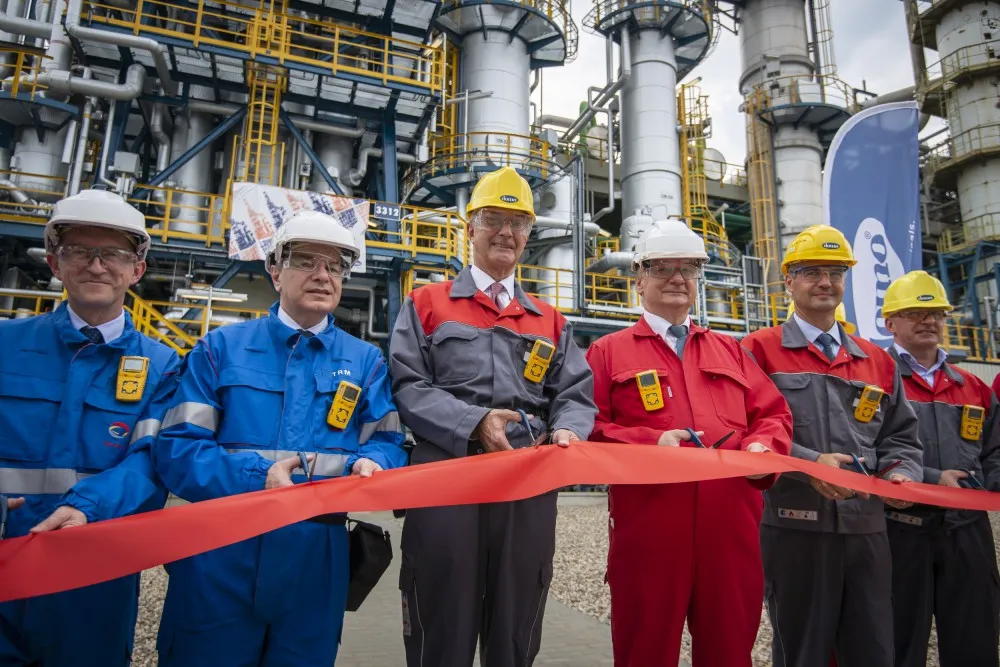
Leuna, Germany – December 30, 2025 — In a shocking development for Germany’s struggling chemical industry, three German subsidiaries of Belgian-based DOMO Chemicals have filed for insolvency, affecting around 585 employees across sites in Leuna (Sachsen-Anhalt) and Premnitz (Brandenburg).


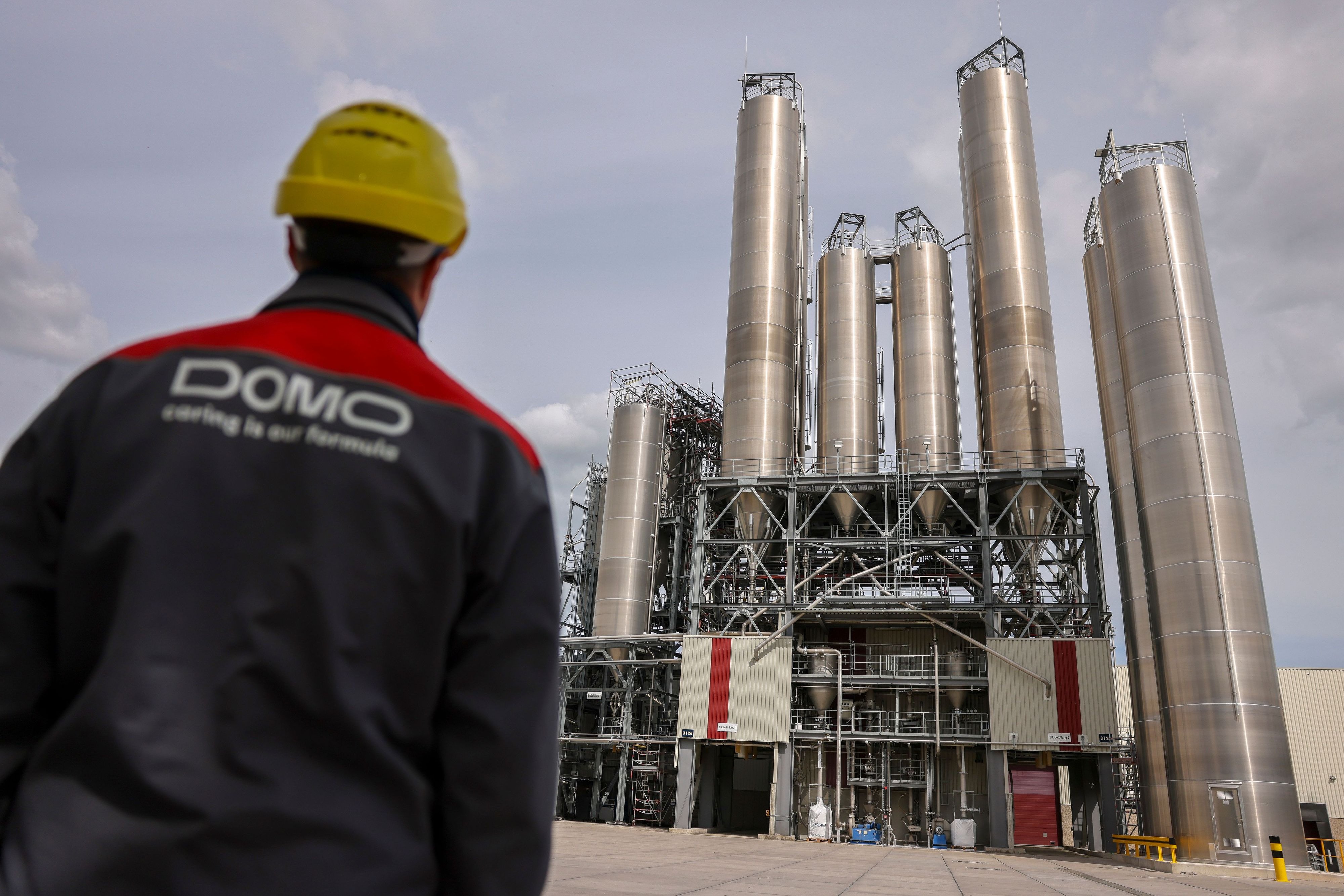
The affected companies are DOMO Caproleuna GmbH, DOMO Chemicals GmbH (both in Leuna), and DOMO Engineering Plastics GmbH (Premnitz). Approximately 550 jobs are at the Leuna site alone, one of Sachsen-Anhalt’s largest chemical employers.

The insolvency applications were submitted on Christmas Day (December 25, 2025), catching many by surprise. Employees were informed on December 29. Preliminary insolvency administrator Lucas Flöther emphasized that operations continue uninterrupted: “Daily business runs as usual at all sites; production and customer deliveries are unaffected.”
Background and Causes
DOMO’s Leuna facility, part of the historic Chemiepark Leuna, produces key products like Polyamid 6 (nylon 6)—a heat-resistant plastic used in automotive engine compartments, electrical cabinets, and outdoor clothing—as well as intermediates like caprolactam, phenol, acetone, and ammonium sulfate.
The root cause lies with the Belgian parent company DOMO Chemicals Holding, which is reportedly overindebted. Despite positive developments at the German sites—including investments in new plants in spring 2025 and a return to profitability announced in May—the broader group faced mounting pressures from high energy costs, weak demand in automotive and construction sectors, and cheap imports from Asia (especially China).
This comes amid a deepening crisis in Germany’s energy-intensive chemical industry, with recent closures and downsizing at other Leuna firms like Dow Chemical.
Response and Outlook
Sachsen-Anhalt’s Economics Minister Sven Schulze (CDU) pledged support: “We are working with the administrator, Infra-Leuna (site operator), and the state investment bank to secure production initially.” Options include finding investors or creditor agreements.
Flöther highlighted the German operations’ strengths: advanced technology, skilled workforce, and strong customer base. He aims to stabilize and explore restructuring paths.
As of December 30, 2025, production continues, but the future of hundreds of jobs hangs in the balance. This insolvency underscores broader challenges for European chemicals amid global competition and energy transitions. Monitor developments via sources like MDR, Handelsblatt, and Mitteldeutsche Zeitung.